How to Measure Paid Advertising Beyond ROAS
Connect ad spend to qualified enquiries, booked customers, margin, and operational capacity so a promising ratio does not hide an unprofitable result.
Return on ad spend, or ROAS, is useful when revenue can be attributed reliably. It is not a complete answer to whether advertising is helping a local business. A campaign can report an attractive ratio while producing very little profit, low-quality enquiries, or more work than the team can fulfil.
The better question is: after advertising costs and the cost of delivering the work, did the campaign contribute useful, manageable profit?
Begin with the Business Numbers
Before setting a budget, gather the numbers that determine what the business can afford to pay for a customer:
- average sale or job value
- direct cost of fulfilling the work
- gross margin before advertising
- percentage of qualified enquiries that become customers
- cancellations, refunds, or no-shows
- current capacity by service or location
For repeat-purchase businesses, future value may matter, but do not assume every new customer will return. Use a conservative figure based on actual records and review it over time.
Define the Conversion Properly
Advertising platforms may count button clicks, page views, short phone calls, and duplicate form submissions as conversions. Those actions are not equally valuable.
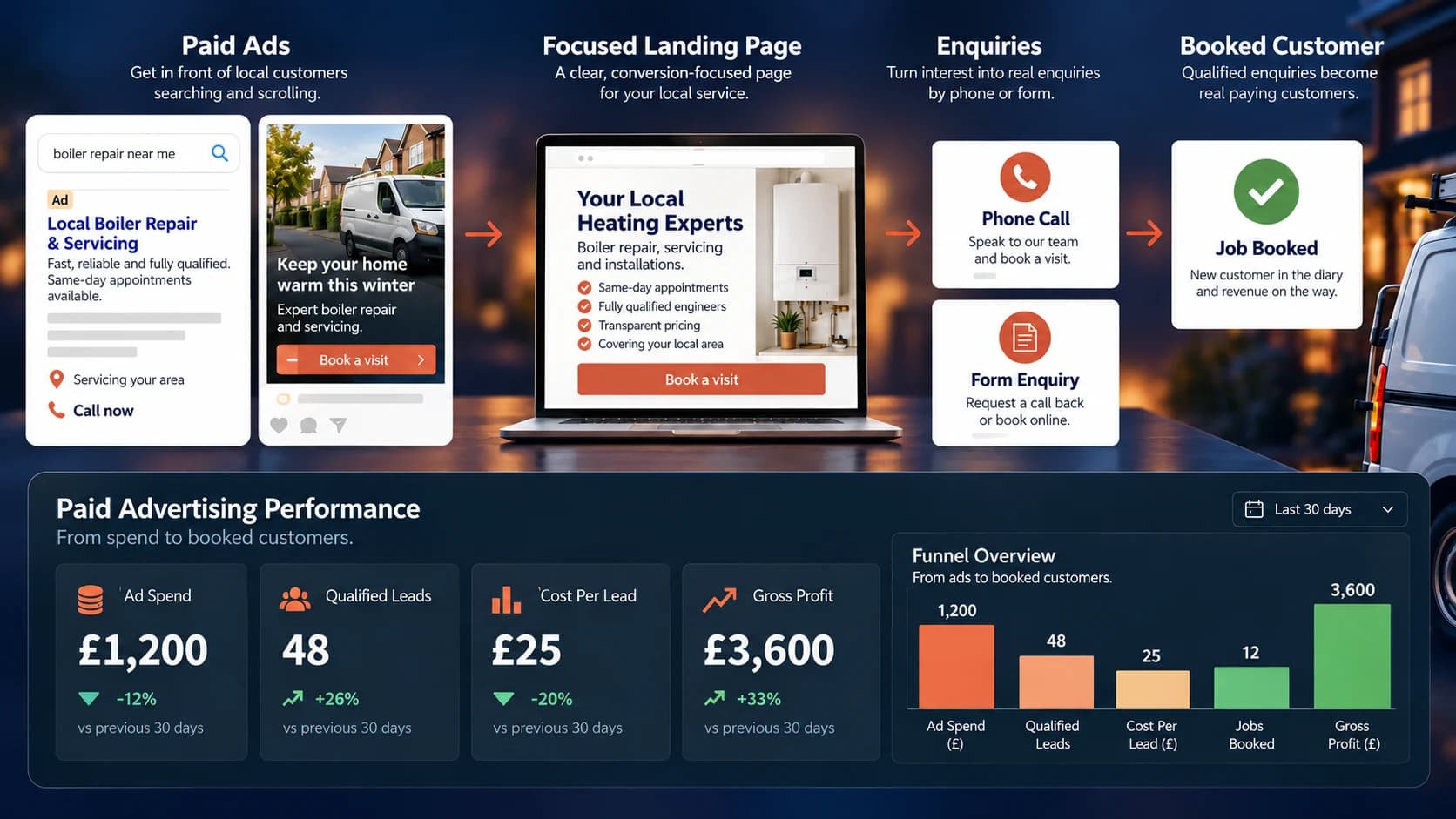
Create stages the business can recognize:
- enquiry received
- enquiry is relevant and within the service area
- appointment, quote, or sale is booked
- customer attends or work is completed
- revenue and gross profit are recorded
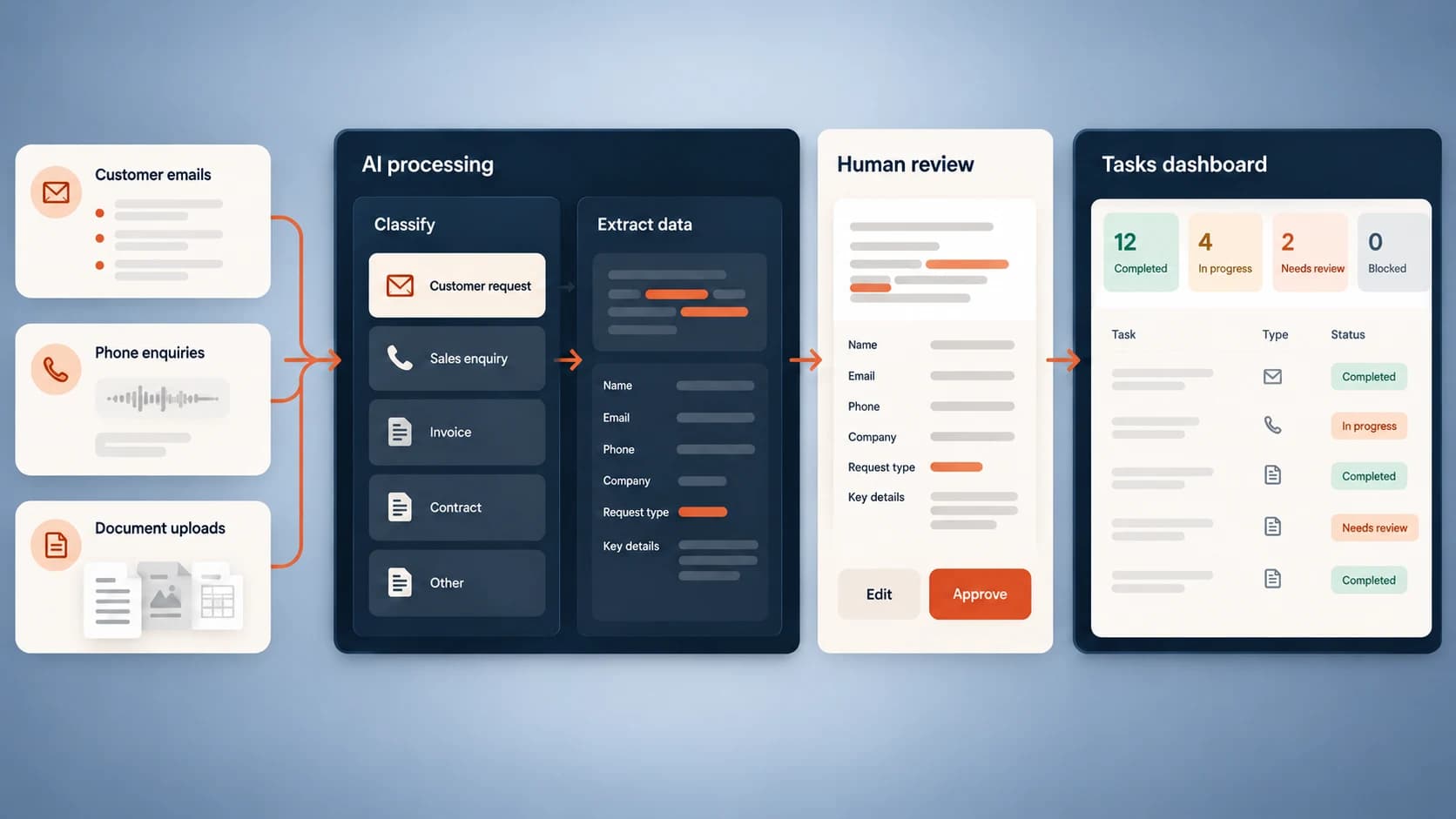
This does not require a complicated sales system. A consistent spreadsheet or simple pipeline can be enough for a small team, provided somebody owns the updates.
Work Backward to an Affordable Lead Cost
Consider an illustrative service business where an average completed job is worth $600 and direct delivery costs average $360. That leaves $240 before advertising and overhead. If half of qualified enquiries become completed jobs, the absolute break-even cost per qualified enquiry is $120 before overhead.
The campaign target should be lower than that maximum to leave room for staff, premises, tools, cancellations, and profit. The right buffer depends on the business; it should not be copied from an industry benchmark.
This calculation is more useful than choosing a fashionable ROAS target because it connects advertising to the economics of the actual service.
Match Campaigns to Available Work
Separate campaigns when services, locations, value, or capacity differ meaningfully. A dental practice may have chair time for routine new-patient appointments but limited availability for a specialist treatment. A heating company may want maintenance work in summer and urgent repairs in winter.
Send each campaign to a focused page that matches the promise in the ad. The page should state the service, area, relevant qualifications, important limits, and a clear enquiry route. Sending every ad to the homepage makes customers repeat the search.
Exclude searches, locations, or audiences the business cannot serve. More leads are not automatically better if staff spend hours rejecting them.
Test One Meaningful Variable at a Time
A small budget cannot support dozens of audiences, ads, and landing pages at once. Start with a controlled structure and test a meaningful variable such as the offer, search theme, message, or landing-page opening.
Give the test enough time and volume to produce useful evidence. Avoid changing budgets and creative every day in response to normal variation. Record what changed, when it changed, and why.
Creative should also reflect the actual business. Use real services, realistic availability, and approved evidence. Avoid manufactured urgency and promises the team cannot keep.
Include the Follow-Up Process
Advertising can generate a suitable enquiry and still fail if nobody answers the phone, callbacks take several days, or the customer receives no reminder. Record response time, contact attempts, booking rate, and no-shows alongside campaign metrics.
This helps separate a traffic problem from a follow-up problem. It also prevents the ad platform from receiving all the credit or blame for changes elsewhere in the customer journey.
Use a Weekly Decision Dashboard
A practical report should be understandable without platform terminology. For each campaign or service, show:
- spend
- qualified enquiries
- cost per qualified enquiry
- booked and completed customers
- booking or close rate
- recorded revenue and estimated gross profit
- capacity or scheduling constraints
Clicks, reach, and impressions remain useful diagnostics, but they should not sit above the business outcomes.
Scale Carefully
Increase spend when the campaign produces suitable customers at an affordable cost and the business can fulfil the additional work. Make changes in measured steps, then watch whether lead quality and cost remain acceptable.
Pause or reduce spend when tracking is unreliable, capacity is full, follow-up is breaking down, or the additional customers are no longer profitable. A lower ROAS can be acceptable if total profit grows responsibly; a higher ROAS is not useful if it represents only a handful of sales.
Paid advertising works best when it is connected to operations, not treated as an isolated dashboard. Measure the path from spend to completed work, use the business's own margins, and make budget decisions from evidence rather than one impressive ratio.
Altus Media Labs